
Avoid the January Shock: The Five Barriers to Effective Home Tuition
 By Nader Fadaee on
 Seven strategies that tackle the five barriers of home tuition — and the reason so many capable students feel blindsided in January.
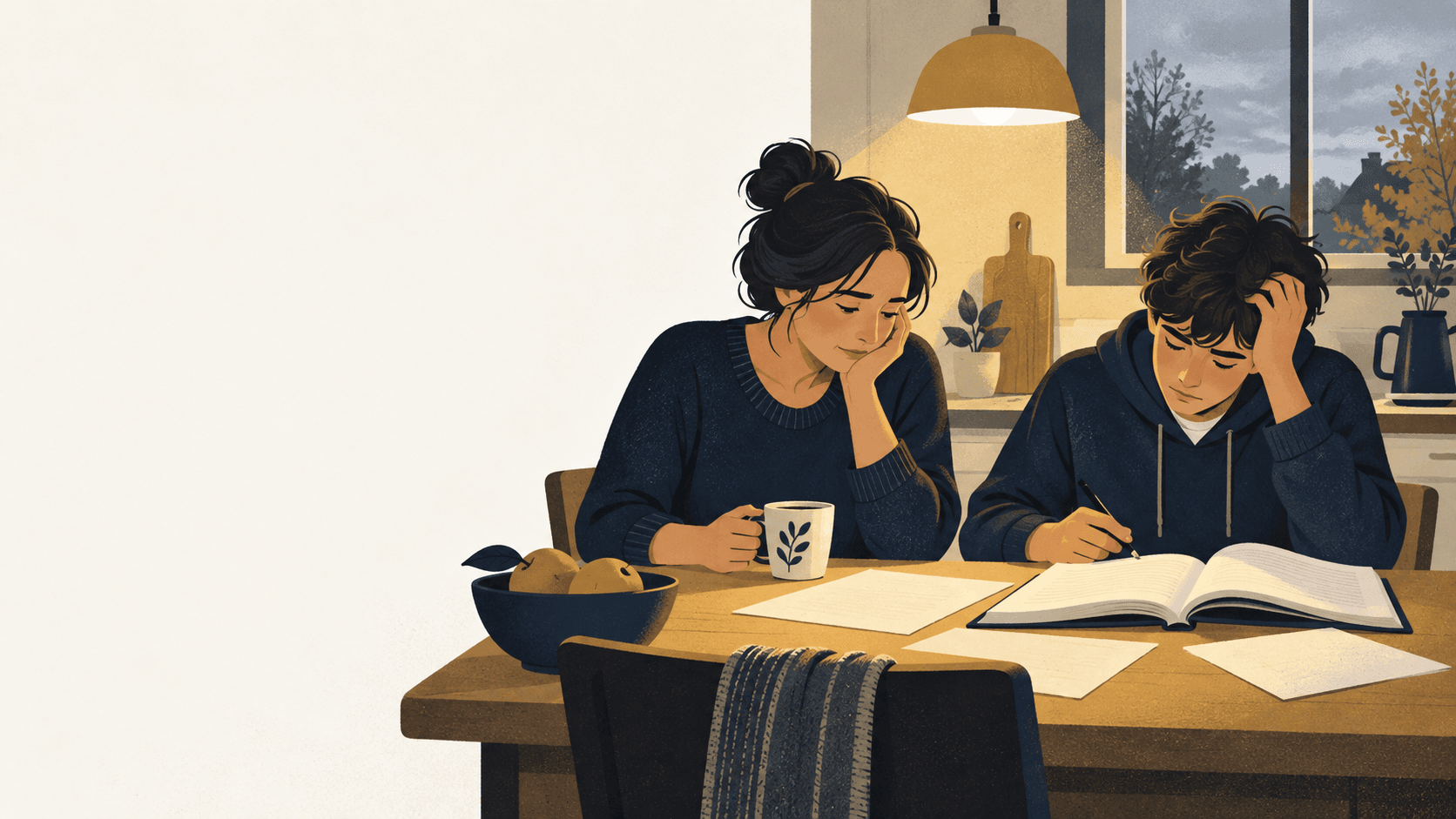
Every year I meet brilliant students who work hard but still feel blindsided in January when mocks and reports arrive. It isn’t laziness; it’s the five barriers that make home tuition tough: role conflict, friction, patchy routines, exam-board nuances, and study methods that don’t stick.
This piece is about avoiding that jolt by building steady habits now. Below are the seven strategies we use at Better Life Tuition to lower friction, align with the mark scheme, and turn effort into durable progress. No hype, no cramming — just structures that compound through the year and protect family harmony.
The five barriers to effective home tuition
1. Role conflict: parent versus teacher
Wearing two hats at once strains even the best parent–child relationship. As a parent, you nurture, protect and negotiate; as a teacher, you must set boundaries, deliver feedback and keep to a syllabus. When these roles collide, emotions rise and accountability blurs. Praise from a parent can feel biased; critique can feel personal. At home, teens sometimes test limits they’d accept from a neutral adult, so tasks slip or lessons become debates.
Year 11 pupils may lean on you for answers rather than learning how to retrieve them; Year 13 students may resist direction because independence feels tied to identity. Over time, this role confusion drains goodwill and stalls progress. Clear roles and neutral accountability restore calm: parenting remains about connection and wellbeing, while teaching focuses on precision, practice and measurable gains. Without that separation, small frictions compound into avoidance, last-minute cramming, and the “January shock” when reports and mocks land.
2. Friction and motivation dips
Parent–child dynamics can make revision feel like a tug-of-war. Even well-meant reminders can be heard as nagging, and teens often protect autonomy by pushing back. Motivation naturally fluctuates during the term, and home carries distractions — siblings, screens, snacks — so every study session requires renewed willpower.
Year 11 students commonly start enthusiastically then stall when topics get hard; Year 13s juggle personal statements, admissions tests or part-time work, which dilutes focus. Friction turns five-minute prompts into forty-minute negotiations, leaving everyone exhausted before learning begins. The deeper issue is emotional: stress narrows attention and encourages “quick wins” like rereading notes instead of challenging recall.
When revision equals conflict, students rightly avoid it, and parents brace for argument. A neutral structure reduces emotional spikes and normalises effort: agree the plan in advance, use short check-ins rather than hovering, and let an external adult carry the instructional load. Less interpersonal heat means more cognitive energy for real learning.
3. Inconsistent routine
Even motivated families struggle to maintain a steady rhythm amid sports, clubs, family commitments and part-time jobs. Without a consistent window, study becomes reactive — squeezed into late evenings or postponed after “just this one” social plan. The cost is hidden: knowledge fades quickly without spaced retrieval, and skills like timing improve only with regular, bite-sized practice.
Year 11 students, especially, need repetition to make methods automatic; Year 13s require longer, deeper blocks for extended problem-solving and essay planning. Inconsistency also inflates decision fatigue: every day prompts a new negotiation about when and how long to study. That mental overhead becomes another reason to delay.
Over weeks, gaps appear — entire topics untouched, exam technique unpractised, weak areas ignored. By January, the calendar feels crowded and the backlog intimidating. A reliable routine lowers the threshold to start: same days, same times, same set-up. Absent this cadence, progress stalls regardless of goodwill or ability.
4. The exam-board precision gap
“Knowing the topic” is not the same as knowing how it is examined. Mark schemes reward specific command words, methods and levels of response. Many pupils can explain ideas informally but lose marks because answers aren’t calibrated to AO1/AO2/AO3 criteria or to the exact verbs: describe, explain, evaluate, compare.
Year 11 candidates often write everything they know instead of the precise steps that earn points. Year 13s may reason well but miss evaluation, synoptic links, or the quantitative detail examiners expect. At home, it’s easy to overlook these subtleties, especially if the parent’s own schooling used different specifications. The result is a persistent gap between effort and marks, which erodes confidence.
Bridging this requires deliberate exposure to specimen questions, annotated mark schemes and question-level analysis. Precision is teachable: we model how to decode stems, structure responses, and show working in the language of the board. Without this alignment, marks remain stubbornly lower than understanding.
5. Ineffective methods
Highlighting, rereading and copying notes feel productive but don’t stick. Passive revision feels comfortable because it avoids the risk of being wrong, but it rarely builds the kind of memory exams demand.
We swap comfort for structure: short recall checks, questions before notes, and flashcards made from mistakes. Year 11 students convert “I’ve seen this” into “I can write it under pressure”; Year 13s mix retrieval with multi-step problems and evaluation. Interleaving keeps topics honest, while spaced practice brings them back just before they’re forgotten. Timed mini-attempts mirror exam conditions without the stress of full papers. Over time, these routines turn effort into knowledge that lasts and skills that transfer.
Seven strategies for durable growth
1. A neutral coach and clear roles
A neutral tutor resets the family dynamic: parents protect wellbeing and routine; the tutor owns curriculum, technique and accountability. This separation lowers emotional temperature and turns friction into focused effort.
We begin by setting expectations collaboratively — student, parent, tutor — so responsibilities are explicit and manageable. In sessions, we model calm problem-solving, praise process not personality, and give precise feedback anchored to the mark scheme. Year 11 students gain a coach who turns confusion into a plan; Year 13s get a professional mentor who respects their autonomy while pushing for precision.
Between sessions, the tutor — not the parent — sets micro-targets and checks progress, so home remains a supportive environment rather than a battleground. Over time, this structure preserves relationships and builds resilience: students experience challenge without defensiveness, parents regain confidence, and everyone can see steady movement against clear criteria. The goal is independence; neutral coaching is the bridge that makes it realistic.
2. A term plan mapped to the exam board
We plan backwards from exam dates, then forwards with weekly milestones. The map isn’t a spreadsheet you’ll ignore — it’s a one-page view tied to your specific board, units and command words. Each week includes new learning, retrieval of older topics, and a small slice of exam technique.
Year 11 plans prioritise full GCSE coverage before Easter, leaving space to cycle weak areas. Year 13 plans weave depth and evaluation into every unit so answers meet AO2/AO3 expectations. We add question-level analysis after mocks to target gaps, and we timetable mini-deadlines for practice papers, not just homework.
The plan is visible (printed, on the wall) and realistic (accounting for clubs, family events, part-time work). Parents protect the schedule; tutors adjust content and cadence as evidence comes in. Because it’s mapped to the board, every hour contributes to marks, and because it’s spaced, learning consolidates rather than cramming and forgetting.
3. Retrieval over rereading
Retrieval makes learning stick by pulling information from memory, not re-exposing it. We use low-stakes quizzes, flashcards that evolve from mistakes, and mini past-paper items grouped by concept. Sessions open with short recall checks, then build into applied questions, so knowledge moves from isolated facts to usable procedures.
Year 11 students learn to “show their working” aloud, strengthening method memory; Year 13s practise retrieving definitions, derivations and evaluative frameworks under calm, timed conditions. Spacing and interleaving are baked in: yesterday’s topic reappears next week and next month; similar ideas are mixed to sharpen discrimination.
Crucially, errors are welcomed — each wrong answer feeds the next flashcard or example. Parents see progress in recall scores and in fewer “tip of the tongue” moments at home. Over months, retrieval turns study from a passive comfort activity into a productive challenge, building a memory that survives stress and supports confident exam performance.
4. Exam technique as a weekly habit
Exam technique is not a last-minute polish; it’s a skill set that compounds with modest, regular practice. Each week includes targeted tasks: decoding question stems, planning before writing, allocating time by marks, and structuring responses the way examiners reward. We rotate item types — data response, calculation, extended writing — so techniques transfer.
Year 11s practise concise, stepwise answers and tidy working; Year 13s refine evaluation, synthesis, and clarity under realistic timing. We annotate mark schemes together, so students see why one phrase earns a mark and another does not. Short, timed bursts build calm familiarity without pressure.
Parents will notice answers becoming shorter, clearer and more aligned to requirements. By embedding technique early, mocks become diagnostics rather than shocks, and the spring term focuses on targeted improvements rather than wholesale rewrites. The habit is simple: a little, often, with feedback. Over time, it unlocks the marks their knowledge already deserves.
5. Metacognitive check-ins
Metacognition — thinking about learning — turns experience into progress. We end sessions with a two-minute check-in: What went well? What was confusing? What will I do differently next time? This reflection is concrete, not vague: name the error type, note the trigger, choose the fix.
Year 11s might record, “Lost marks by skipping units — next time, underline units first.” Year 13s might capture, “Argued the point but didn’t evaluate; add counterpoint before concluding.” These tiny notes feed the next session’s starter and flashcard updates.
Parents receive brief snapshots highlighting patterns rather than exhaustive logs, which keeps the focus on decisions students can control. Metacognitive habits reduce anxiety because pupils see mistakes as information, not identity. Over months, they become their own coaches — planning, monitoring, and adjusting with increasing independence. That self-regulation is the ultimate result: grades rise, yes, but so does the confidence to learn effectively beyond school.
6. Environment and routine design
We design the study environment to make the right choice the easy choice. Cues are consistent: same desk, same start time. Materials are pre-staged — calculator, pens, formula sheets — so momentum isn’t lost to searching.
For routines, we prefer short, reliable blocks with brief resets, protecting family evenings from marathon sessions that rarely deliver. Year 11s thrive on predictable windows that turn study into habit; Year 13s need protected deep-work periods for extended problems and essays. We plan around sports, shifts and family life so routines survive real calendars, not ideal ones.
Parents support by guarding the window, not by teaching content. The result is fewer negotiations and less procrastination. Over time, the environment itself becomes a nudge toward focus, and routine carries motivation through the inevitable dips, ensuring steady accumulation of understanding and skill.
7. A parent feedback loop, without micromanaging
Every fortnight, parents get a brief, visual snapshot: coverage, gaps, and the next two targets. Traffic-light coding and short, mark-scheme-linked comments keep it readable in a minute. Year 11 families get reassurance on coverage and progress; Year 13 families get clear, high-impact priorities.
The tutor — not the parent — sets the micro-targets, which keeps home supportive rather than supervisory. Parents focus on protecting time and celebrating process improvements, and scheduling problems surface early enough to adjust the plan. A shared map reduces anxiety, builds trust, and sustains growth.
Pulling it together
Home tuition falters when love and teaching collide: role confusion, friction, inconsistent routines, exam-board mismatches and passive methods. Our fix is calm, structured and cumulative: a neutral coach to separate roles; a one-page term plan mapped to your board; retrieval first; weekly exam-technique practice; two-minute metacognitive check-ins; a study environment that makes focus easy; and a parent feedback loop that informs without micromanaging.
Together these habits reduce tension, protect family time and turn effort into marks that last. Start with one change this week, protect the routine, and let steady, evidence-based practice carry your child to confident exams ahead.
A note on safeguarding
UNICEF has published research highlighting significant online risks affecting children and young teens, particularly around AI companion apps. We encourage all parents to read it.
The risky new world of tech’s friendliest bots: AI companions and children
As part of our safeguarding approach, we ask parents to review and, where appropriate, set up reputable blocking and filtering tools so children’s online access is age-appropriate and, if needed, monitored. Tools worth looking at include Qustodio, Net Nanny, Bark, FamilyTime, Kaspersky Safe Kids, Norton Family, Circle and Mobicip — each offers some combination of content filtering, screen-time control, activity alerts and reporting.
If any of this sounds like your household, we’d be glad to talk it through — no pressure, no obligation.
Nader Fadaee
Better Life Tuition · betterlifetuition.com
